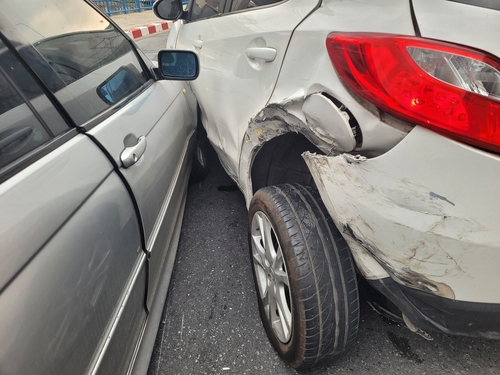
Sideswipe accidents happen in an instant. A driver drifts out of their lane, merges without checking a blind spot, or tries to squeeze past on a busy road, and the side of their vehicle scrapes or slams into yours. Even when the damage looks minor, sideswipe crashes can push vehicles off the road, into other traffic, or into barriers, causing serious injuries and expensive repairs.
At Chaz Roberts Law, we help people injured in sideswipe crashes throughout Lafayette and Acadiana understand who’s at fault and how to pursue the compensation they need. We’ll give you an honest assessment of your case and handle the insurance company so you can focus on healing. Call (337) 504-3202 for a free consultation.
How Sideswipe Collisions Happen on Lafayette Roads
Sideswipe crashes often happen when drivers move between lanes without enough care. Common causes include:
- Unsafe lane changes: Changing lanes without checking mirrors or blind spots.
- Merging errors: Failing to yield when entering a highway or when lanes merge.
- Drifting out of a lane: Distraction, fatigue, or impairment causing a driver to cross a lane line.
- Improper passing: Passing too closely or cutting back in too soon.
- Failure to signal: Moving over without warning other drivers.
- Wide turns: Large vehicles swinging into adjacent lanes during turns.
- Weather and road conditions: Rain, standing water, and faded lane markings that make lanes harder to see.
Who Is at Fault in a Sideswipe Accident?
In many sideswipe crashes, the driver who left their lane or changed lanes unsafely is at fault. But fault isn’t always obvious, and both drivers may share some responsibility. For example, one driver may have changed lanes without signaling while the other was speeding or drifting.
Louisiana Lane Use and Passing Laws
Louisiana law requires drivers on roads with marked lanes to stay as nearly as practicable within a single lane and not to move from that lane until they’ve first made sure the move can be made safely. Drivers passing another vehicle must also pass at a safe distance and not return to their lane until it’s safe to do so. Drivers are generally required to signal before changing lanes or turning. Violations of these rules can be strong evidence of fault in a sideswipe claim.
How the 51% Comparative Fault Rule Affects Your Claim
Louisiana uses comparative fault to divide responsibility. For claims arising on or after January 1, 2026, Louisiana follows a modified comparative fault rule. If you’re found 51% or more at fault, you can’t recover damages. If you’re less than 51% at fault, your recovery is reduced by your percentage of fault. For example, if your damages total $50,000 and you’re found 20% at fault, you could recover $40,000.
Claims that arose before January 1, 2026, generally follow Louisiana’s prior pure comparative fault rule. Because insurers often argue that both drivers share blame, evidence is especially important.
Evidence That Helps Establish Fault After a Sideswipe Crash
Strong evidence can show which driver left their lane. Helpful evidence may include:
- Crash photos: Vehicle damage, lane markings, debris, skid marks, and vehicle positions.
- Dashcam and surveillance video: Footage from vehicles, businesses, or traffic cameras.
- Police reports: Officer observations, statements, and any citations issued.
- Witness statements: Accounts from other drivers or passengers who saw the crash.
- Available vehicle data: Electronic records that may help clarify the vehicle’s movements before impact.
- Accident reconstruction: Expert analysis in more complex or disputed cases.
Is the other driver disputing who changed lanes? Call Chaz Roberts Law at (337) 504-3202 for a free consultation about the evidence and your options.
Sideswipe Accidents Involving 18-Wheelers and Commercial Vehicles
Large trucks and 18-wheelers have significant blind spots and need extra room to change lanes and turn. When a truck driver merges into an occupied lane or swings wide during a turn, a smaller vehicle can be pushed off the road or pulled under the trailer.
Commercial vehicle crashes may involve additional responsible parties, such as the trucking company. They may also involve federal safety rules and records, such as driver logs, that can help prove fault.
Hit-and-Run and No-Contact Sideswipe Crashes
Some sideswipe drivers leave the scene. In other cases, a driver forces you out of your lane without making contact, causing you to crash into another vehicle or object. These situations can be harder to prove, but you may still have options.
Your own uninsured motorist coverage may help pay for your injuries if the at-fault driver can’t be identified or doesn’t have insurance. Louisiana law generally requires an independent and disinterested witness to establish that an unidentified, uninsured, or underinsured driver caused your injuries in a no-contact UM claim. Collect witness contact information and preserve any available video so an attorney can evaluate the evidence and your coverage. If you’re involved in a hit-and-run, call the police right away and write down anything you remember about the other vehicle.
Injuries Commonly Linked to Sideswipe Collisions
The injuries from a sideswipe crash depend on the impact and what happens afterward. They may include:
- Neck and back injuries: Whiplash, herniated discs, and other spinal injuries.
- Head injuries: Concussions and traumatic brain injuries from striking the window or door frame.
- Shoulder, arm, and hip injuries: Injuries on the side of the body closest to the impact.
- Broken bones: Fractures to the ribs, arms, legs, and pelvis.
- Cuts and bruises: Injuries from broken glass and airbag deployment.
- Emotional distress: Anxiety and fear of driving after a crash.
If you were injured in a sideswipe crash, contact Chaz Roberts Law at (337) 504-3202 to discuss your injuries and potential claim.
Factors That Influence a Sideswipe Accident Settlement
There’s no standard settlement amount for a sideswipe accident. The value of your claim depends on several factors:
- Severity of your injuries: More serious injuries generally lead to higher claim values.
- Medical treatment: The cost and length of treatment, including future care.
- Lost income: Time missed from work and any reduced ability to earn.
- Pain and suffering: The physical and emotional impact of your injuries.
- Fault: Your share of fault, if any, can reduce your recovery.
- Available insurance: The at-fault driver’s coverage and your own uninsured or underinsured motorist coverage.
- Your insurance status: Louisiana’s “no pay, no play” law may restrict recovery for certain uninsured vehicle owners or operators, even when another driver caused the crash. Exceptions may apply.
An attorney can evaluate how these factors apply to your specific situation.
Why Sideswipe Crash Victims Turn to Chaz Roberts Law
At Chaz Roberts Law, we take the time to understand what happened and how your injuries have affected your life. Our team can review the crash evidence, identify potentially responsible parties, document your losses, and handle insurance negotiations. We explain your options in plain language and keep you informed as your case moves forward.
Our clients appreciate our clear communication and the support we provide throughout the claims process. Chaz Roberts Law is proud to serve Lafayette and Acadiana.
Speak With a Lafayette Sideswipe Accident Lawyer About Your Case
Before accepting a settlement, get clear answers about your injuries, disputed fault, and available coverage. Contact Chaz Roberts Law at (337) 504-3202 for a free consultation about your next steps.
Lafayette Sideswipe Accident FAQs
Can both drivers share fault for a sideswipe crash?
Yes. Both drivers may share responsibility if their actions contributed to the crash. For crashes occurring on or after January 1, 2026, being less than 51% at fault does not bar recovery, but your compensation is reduced by your percentage of fault. Earlier crashes generally fall under the prior rule.
Does paint transfer show which driver caused the sideswipe?
Paint transfer shows that the vehicles made contact and can help show how they collided, but it doesn’t prove on its own which driver left their lane. It’s usually considered alongside other evidence, such as damage patterns, video, and witness statements.
How is a sideswipe accident settlement calculated?
There is no fixed formula. A settlement reflects your documented losses and the strength of your claim, along with factors such as disputed fault and available insurance.
Do I need a sideswipe car accident attorney if the damage looks minor?
Not every sideswipe crash requires an attorney. If you were injured or fault is disputed, a consultation can help you understand your options. Avoid deciding whether to settle based only on how the vehicle damage looks.
How long do I have to file a sideswipe accident claim in Louisiana?
For crashes that happened on or after July 1, 2024, you generally have two years from the date of the accident to file a lawsuit. Crashes before that date were generally subject to a one-year deadline.