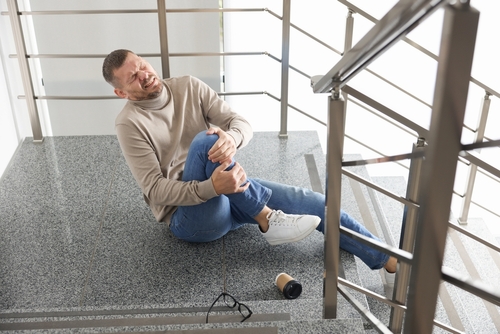
Dangerous conditions on property can cause serious injuries. A wet floor, broken step, poor lighting, unsafe walkway, or other hazardous condition may support a personal injury claim when a property owner, business, or other responsible party failed to use reasonable care.
Chaz Roberts Law represents people injured by unsafe property conditions in Lafayette and throughout Acadiana. Call (337) 504-3202 for a free consultation to discuss your situation and legal options.
What Is Premises Liability Under Louisiana Law?
Premises liability refers to a property owner's legal responsibility for injuries that occur on their property due to unsafe or hazardous conditions. Under Louisiana law, property owners generally have a duty to maintain their premises in a reasonably safe condition and to address or warn visitors about known hazards.
Merchant Liability vs. General Premises Claims: Why the Difference Matters
Louisiana law treats claims against merchants differently than claims against other types of property owners, and understanding which framework applies to your case significantly affects what you need to prove.
Slip and Fall in Stores, Restaurants, and Hotels (La. R.S. 9:2800.6)
Claims against merchants, such as stores, restaurants, and hotels, are governed by Louisiana Revised Statute 9:2800.6, which imposes a specific burden on injured plaintiffs. Under this statute, you generally must prove that the merchant either created the hazardous condition or had actual or constructive notice of it and failed to correct it within a reasonable time.
This statute was specifically designed to address the unique nature of slip and fall claims in commercial establishments, where hazards like spills or debris can appear suddenly.
Falls and Injuries on Non-Merchant Property (La. Civ. Code Art. 2317.1)
Claims against non-merchant property owners, such as private residences or certain other properties, generally fall under Louisiana Civil Code Article 2317.1, which addresses liability for damage caused by a defect in a thing under someone's custody, provided the owner knew or should have known of the defect and failed to correct it.
While this framework shares some similarities with the merchant liability statute, the specific legal standards and burden of proof can differ in meaningful ways depending on which one applies.
Common Types of Premises Liability Cases in Lafayette
Premises-related injury claims can arise from many types of dangerous property conditions. The legal theory that applies depends on the facts, the type of property, who controlled the area, and the nature of the hazard. Common types may include:
- Dog bites can involve Louisiana’s separate dog-owner liability rule and should not be framed as simply a general premises-liability matter.
- Swimming-pool accidents can involve supervision, negligent maintenance, code issues, waivers, attractive-nuisance-type allegations, and other theories.
- Falling merchandise may involve merchant premises liability, negligent stocking, employee conduct, product liability, or a combination.
- Criminal acts/inadequate security are particularly fact-sensitive and should emphasize foreseeability.
Proving the Notice Element in a Premises Liability Claim
One of the most critical elements in a premises liability case is establishing that the property owner had notice of the hazard that caused your injury.
Actual vs. Constructive Notice
Actual notice means the property owner was directly aware of the hazard, whether through an employee who saw it, a prior complaint, or another direct source of knowledge.
Constructive notice means the hazard existed for a long enough period that the property owner should have discovered it through reasonable inspection and care, even without direct knowledge.
Establishing constructive notice often depends heavily on how long the hazardous condition existed before the injury occurred, which can be one of the most contested issues in these cases.
Who Can Be Held Liable for Unsafe Property Conditions?
Depending on the facts, potentially responsible parties may include the property owner, a tenant or business operator that controlled the area, a property manager, a maintenance or cleaning contractor with relevant responsibilities, or another party whose negligence contributed to the dangerous condition. Identifying the correct parties often requires reviewing who controlled, maintained, inspected, or secured the property.
What Evidence Matters in a Premises Liability Claim
Helpful evidence may include:
- Photographs of the hazardous condition, taken as soon as possible after the injury: Conditions like spills, debris, or damaged flooring can be cleaned up or repaired quickly, so capturing the scene right away helps preserve the condition alleged to have caused the fall.
- Surveillance footage from the property, if available: Many stores, restaurants, and other commercial properties have security cameras that may have captured the incident itself, or how long the hazard was present beforehand.
- Incident reports filed with the property owner or manager: These reports may create a contemporaneous record of what happened and when, and they may contain information relevant to notice, though the report alone does not establish liability.
- Witness statements from anyone who saw the fall or the hazard beforehand: A witness who noticed the hazard before you fell can be especially valuable in establishing how long the condition existed.
- Maintenance and inspection logs for the property: These records can show whether the property owner had a reasonable system in place for identifying and addressing hazards, or whether inspections were being skipped or delayed.
- Records of any prior complaints about the same or a similar hazard: Previous complaints can help establish that the property owner had actual notice of a recurring problem rather than being caught off guard by an isolated incident.
- Complete medical records documenting your injuries and treatment: These records connect your injuries directly to the incident and help establish the full extent of your damages.
What Compensation Can You Recover in a Premises Liability Claim?
Injured victims may be entitled to compensation for medical expenses, both past and future, lost income and reduced earning capacity, pain and suffering, permanent disability or disfigurement, and, in fatal cases, wrongful death damages for surviving family members.
What to Do After an Injury on Someone Else's Property
- Seek medical attention promptly if you are injured or have symptoms.
- Report the incident to the property owner, manager, or employee on duty.
- Ask whether an incident report was prepared and request a copy or report number, if available.
- Photograph the area, the condition involved, your footwear, and visible injuries if it is safe to do so.
- Get names and contact information for witnesses.
- Preserve relevant receipts, medical records, and communications.
- Be accurate when reporting what happened, but avoid guessing about fault or giving a recorded statement to an insurer before you understand your options.
- Contact Chaz Roberts Law at (337) 504-3202 for a free case review.
How Comparative Fault Affects Your Recovery in Louisiana
Louisiana law may reduce a claimant’s recovery based on that person’s percentage of fault. For claims governed by Louisiana’s current modified comparative-fault rules, a person found to be 51% or more at fault may be barred from recovering damages.
For example, if a person is found 20% responsible for an accident and proves $100,000 in damages, the recoverable amount may be reduced to $80,000. The law applicable to a particular case can depend on the date of the incident and other facts, so an attorney should evaluate the specific circumstances.
Statute of Limitations for Premises Liability Claims in Louisiana
The deadline for filing a premises liability lawsuit can depend on when the injury occurred and the type of claim involved. For many personal injury claims arising on or after July 1, 2024, Louisiana law generally provides a two-year prescriptive period. Different deadlines, notice requirements, or procedural rules may apply in some cases, including claims involving public entities or other special circumstances.
Because a missed deadline can prevent recovery, it is important to speak with a premises liability attorney as soon as possible after an injury.
Why Choose Chaz Roberts Law for Your Lafayette Premises Liability Claim
Premises liability claims can require a close review of the dangerous condition, who controlled the property, what the responsible parties knew or should have known, and how the injury has affected your life. Chaz Roberts Law can investigate the incident, preserve available evidence, identify potentially responsible parties, communicate with insurers, and pursue a claim when the facts support legal action.
We understand that insurers and property owners may dispute notice, causation, the seriousness of injuries, or a claimant’s own role in the incident. Our team works to develop the evidence needed to present your claim clearly and pursue fair compensation for your losses. Call (337) 504-3202 for a free consultation.
Speak With a Lafayette Premises Liability Lawyer Today
Don't face the challenges of a premises liability case alone. Whether your case involves a slip and fall, a trip and fall, or another type of personal injury, our dedicated team is here to fight for your rights and the compensation you deserve.
Contact Chaz Roberts Law at (337) 504-3202 today to schedule your free consultation.
Lafayette Premises Liability FAQs
Is a store automatically responsible if I fall on their property?
No. Under Louisiana's merchant liability statute, you generally must prove that the store either created the hazardous condition or had actual or constructive notice of it and failed to correct it within a reasonable time. A fall alone doesn't automatically establish liability.
How long do I have to file a premises liability claim in Louisiana?
Louisiana law generally imposes a one-year prescriptive period for personal injury claims, measured from the date of your injury. Because this deadline is shorter than in many other states, it's important to speak with an attorney as soon as possible after your injury.
What if I was partly at fault for my injury?
You may still have a claim, but comparative fault can reduce or, in some circumstances, bar recovery. The outcome depends on the percentage of fault assigned to each party and the law that applies to your case.
Can I sue for an injury caused by inadequate security?
Potentially, yes. If a property owner failed to provide reasonable security measures and that failure contributed to an assault or other criminal act on the property, you may have a claim against the property owner, depending on the specific facts of the case.
What is my premises liability case worth?
The value of a premises liability case depends on factors including the severity of your injuries, your medical expenses and future care needs, lost income, and the impact on your daily life. Because every case is different, an accurate valuation requires a full review of your specific circumstances.